
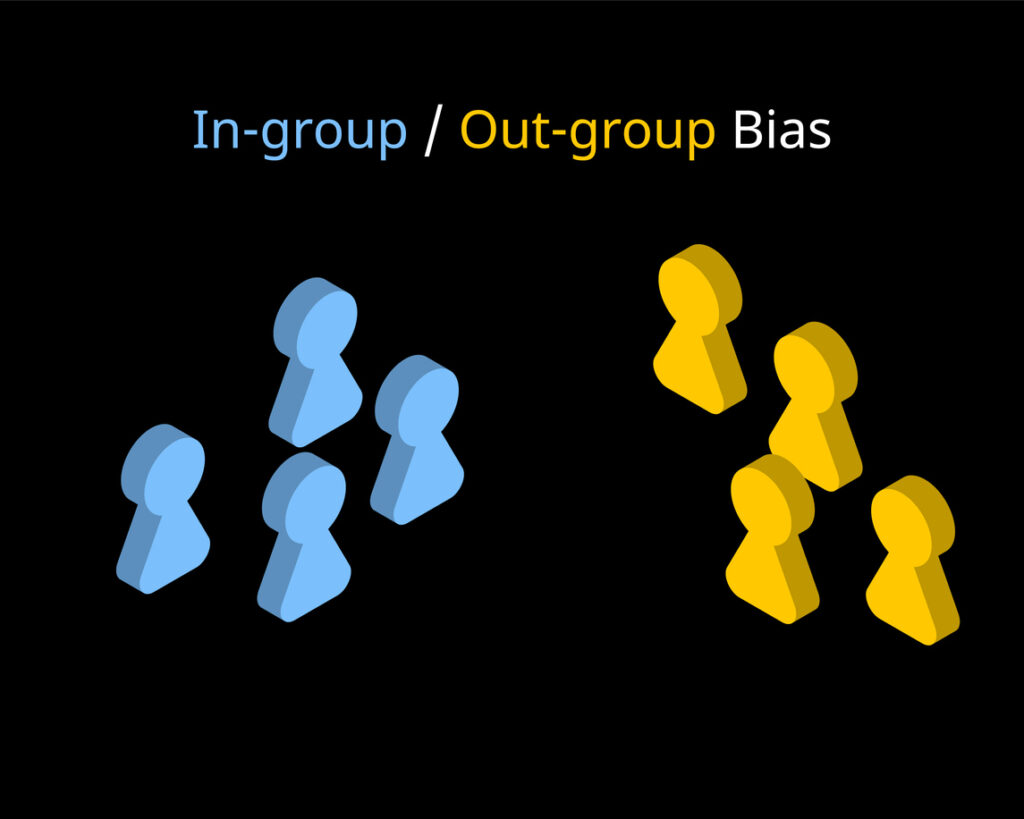
If you’re in the job market and AI is being used to assess your application, the risks of bias are very real.
The use of AI for hiring, risks discrimination against women, older applicants and minority groups.
AI bias has been around for years, and there’s been much research which proves it. It’s not a new idea or something just discovered. In 2024, a whopping 62 per cent of Australian organisations used AI in recruitment moderately or extensively (Responsible AI Index 2024). Fast forward to 2026 and AI is now being used by HR and recruiters in a range of ways including screening applications and initial interviews. However, despite the known bias, in the rush to profit from sales of AI models/programs and integrated systems, AI companies are moving forward.
AI models produce results by generalizing from the limited data they’ve been trained on. At this point, AI does not actually “reason”. Therefore, if an algorithm is used to exclude candidates with gaps in resumes, it may also exclude women who have taken time away from the workforce to act as carers.
The now commonly used suggestion in a job advertisement to “apply even if you don’t tick every box” can also be overruled by the AI model, particularly if screening is biased.
So, the organisations currently relying on AI to screen candidates and automate hiring decisions without a human in the loop, will eventually experience a negative impact on hiring decisions.
The use of AI may be, in the first instance, to save time and costs when hiring, but hiring mistakes are expensive to undo and those costs will also have an impact.
Mistrust by job seekers in organisations using AI for hiring, will have a cost too.
Addressing AI bias requires effective AI governance which includes human oversight. An agreed policy and associated procedures should be in place before rolling out any system which uses automated decision making.
We provide a range of AI governance solutions which are designed to help you to get the most from your AI projects. Please contact us for further details.